Most general clinics turn away the client who points at the thread veins on her cheeks or legs, or refer her elsewhere. A 980nm diode laser is the small, inexpensive machine that keeps that booking in house.
What it costs
| Class | Typical delivered price |
|---|---|
| Tabletop 980nm diode, fibre handpiece | $2,000–$5,000 |
| Vascular laser inside a larger workstation | Part of a $10,000+ platform |
| Branded vascular laser platforms | Several times more |
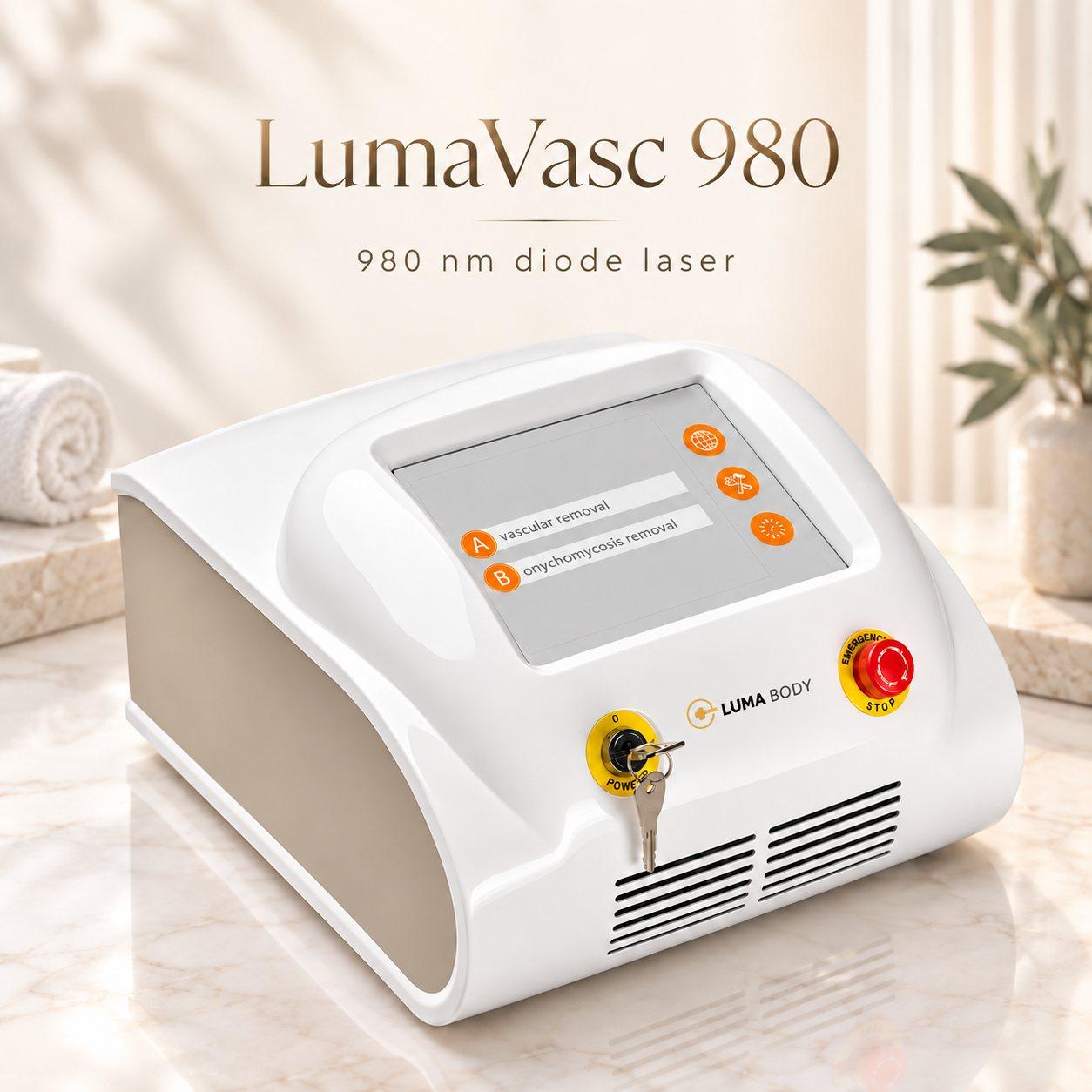
The LumaVasc 980 is $3,390 delivered, with a fibre-optic handpiece and 0.5, 1, 2 and 3mm spots.
Why 980nm
A vascular laser has to heat blood without heating the skin around the vessel. At 980nm, haemoglobin and water both absorb strongly, so a small spot placed on a vessel deposits its energy there. That is the whole reason for the wavelength, and why these machines have small spots rather than wide windows: the operator traces a vessel rather than flashing an area.
980nm laser or IPL
| 980nm diode laser | IPL | |
|---|---|---|
| Treats | Individual visible vessels | Diffuse redness across an area |
| Spot | 0.5–3mm | Wide window, e.g. 15x50mm |
| Also used for | Nail protocols | Pigment, acne, hair, rejuvenation |
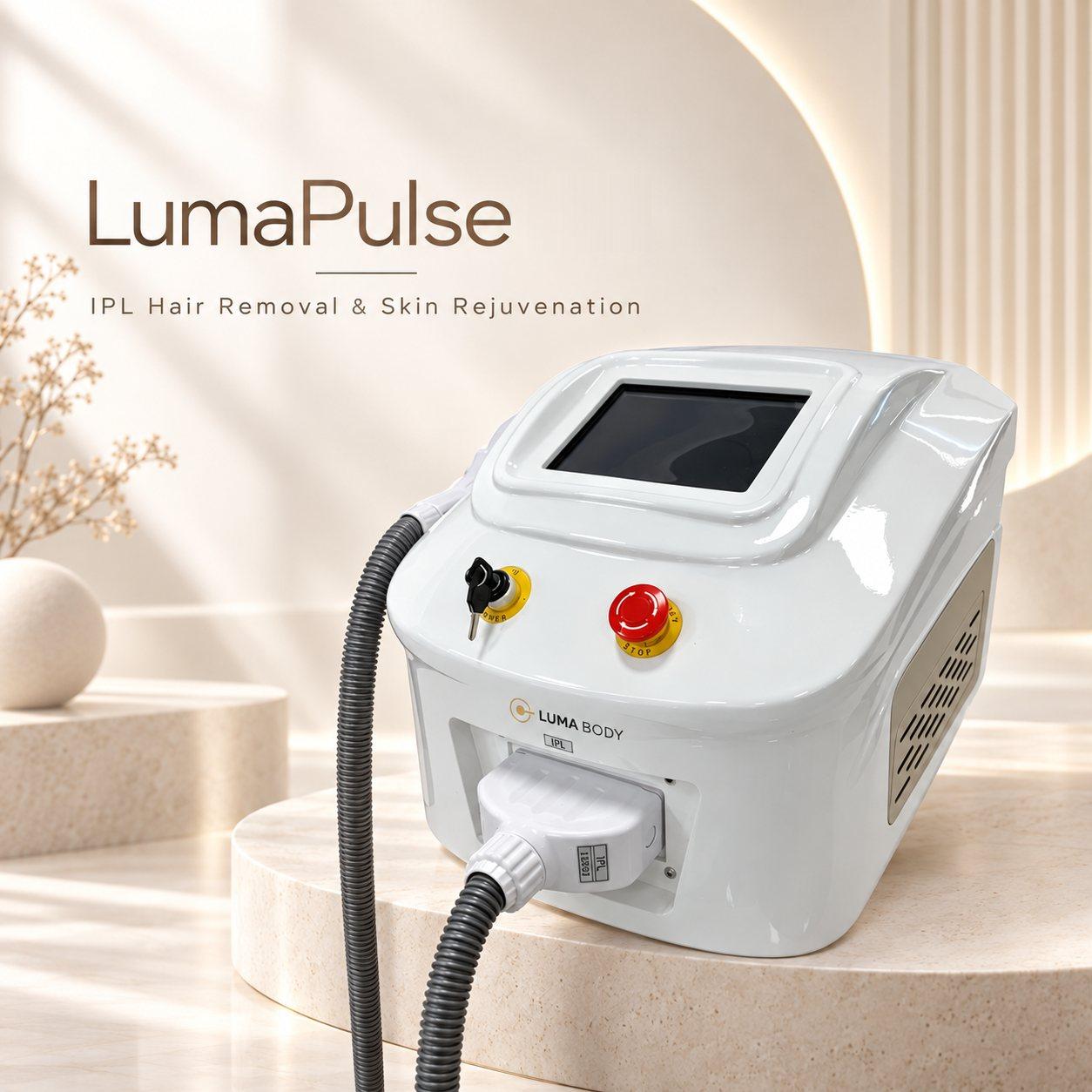
They are complements. A redness client often has both a flush across the cheeks and a few distinct vessels; IPL handles the first and the 980nm laser the second. The LumaPulse IPL is $4,090 if you want both.
Before you buy
- Several spot sizes, so the spot can match the vessel.
- Fibre delivery with a handpiece that is light and steady enough for fine tracing work.
- A spare fibre handpiece, because it is the part that wears.
- Your scope of practice. Who may perform vascular laser treatments depends on your state. Check before you plan staffing.
For the IPL side of the room, read what an IPL machine costs.