CO2 is the oldest resurfacing technology still in daily clinical use, and the one where the gap between a cheap machine and a good one shows up fastest on your clients' skin.
The range
$6,000–$12,000. Entry systems, usually 30–40W with a glass tube, a basic scanner and a short list of preset patterns. They ablate. Control over density and pattern is limited, and the tube is the part that ages.
$14,000–$28,000. The working clinic tier: 40–70W, RF metal tube, a real scanner with several patterns and shapes, pixel energy adjustable across a wide range, and usually additional handpieces. This is where most med-spas and dermatology practices buy.
$35,000–$60,000+. Branded platforms. You are buying the name your clients may already have searched for, plus a published clinical evidence base.
The three specifications that decide what you can treat
Pixel energy. The energy delivered per column of ablated tissue, which sets depth. A range from single-digit millijoules up to a few hundred is what lets one machine do gentle tone work and deeper scar passes.
Density and overlap. The percentage of the treated area actually ablated. Low density with high energy is deep and sparse; high density with low energy is superficial and aggressive on the surface. A machine that fixes density for you has made your clinical decision for you.
Scan patterns and beam shapes. Square, rectangle, triangle and circle matter because faces are not rectangles. Random or scattered ordering spreads the thermal load across the treated area instead of heating one strip at a time, which is felt by the client.
What drives the running cost
Very little, and that is CO2's commercial advantage over cartridge-based treatments. There are no single-use tips to buy. The consumables are the articulated arm mirrors and, eventually, the tube itself. Ask for the tube's rated hours and the replacement price before you buy, because that is the one large bill in the machine's life.
Compare that with RF microneedling, where every treatment consumes a cartridge, or HIFU, where the cartridge is sold by shot count. Over a busy year the difference is significant, and it favours CO2.
Where the treatment earns
CO2 sells on problems clients have already tried to fix with skincare: acne scarring, texture, enlarged pores, sun damage and fine lines. That makes it a consultation-led treatment with a high ticket price and, for scarring, a course rather than a single session.
It also needs a practice that can manage downtime honestly. A client who is not told that healing takes the best part of a week will tell everyone the treatment went wrong. The machines that get resold second-hand are usually the ones bought by a clinic that never built that conversation into its consultation.
Our machines
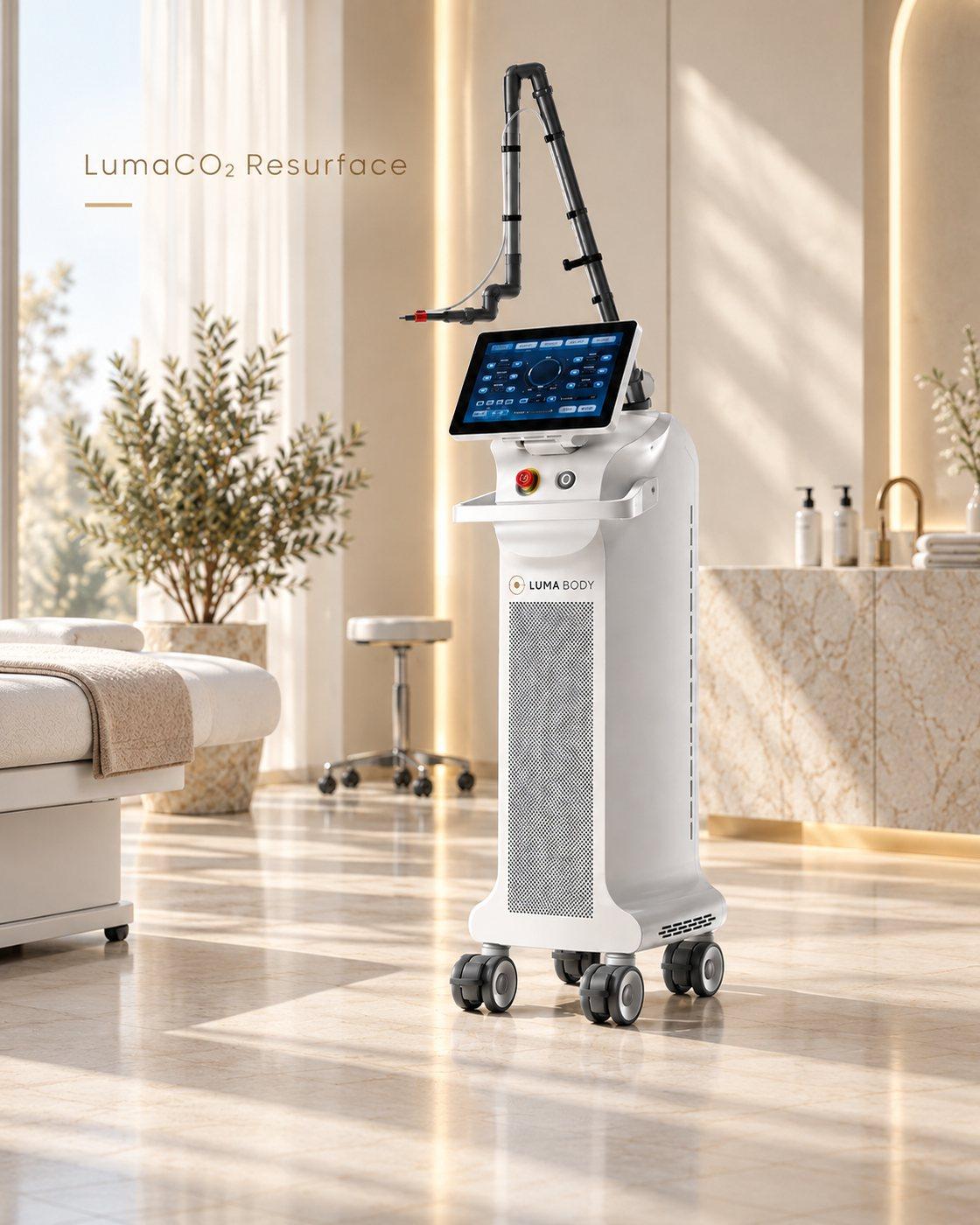
The LumaCO2 Resurface is $15,900 delivered: 10,600nm at 40W or 70W with an RF metal or glass tube, pixel energy from 5 to 300 mJ, density to 0.1mm, four beam shapes, four scan patterns and gynae handpiece modes alongside the facial ones.
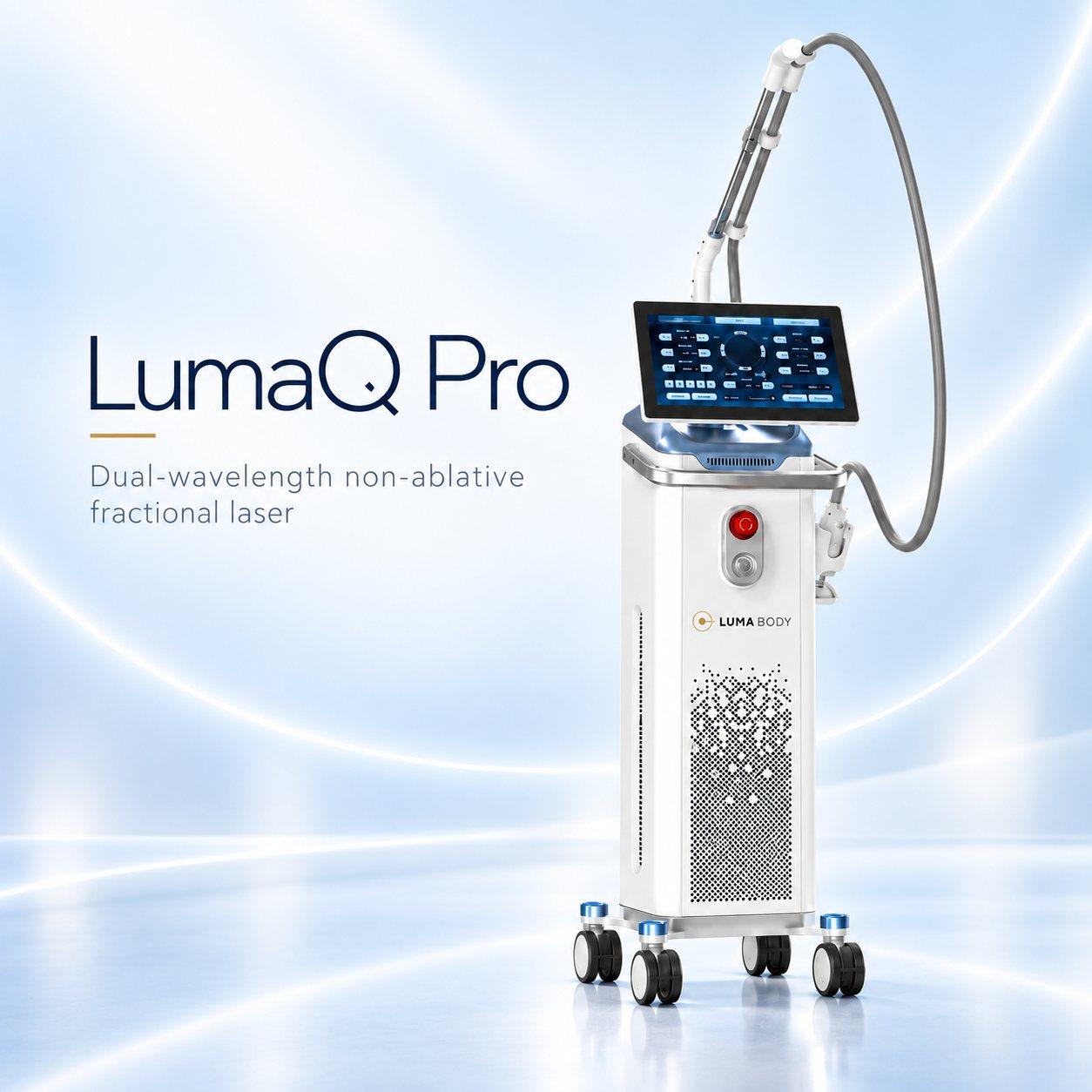
Where the work is pigment and tone rather than texture, the non-ablative LumaQ Pro at $24,900 treats without an open wound — the difference between the two is set out in CO2 or 1927nm.
Both prices are final and delivered in the US and Canada, with operator training and a 12-month machine warranty included, and both can be paid in full or 50% up front with the balance once your order is ready to ship.