Fat freezing is the easiest body treatment to explain to a client and one of the most expensive to buy under a brand name. The difference is not only the purchase price. It is what the branded route charges every time you run it.
What it costs
| Class | Typical delivered price |
|---|---|
| Single- or two-handle machine | $5,000–$9,000 |
| Four-handle machine, two sizes | $8,000–$16,000 |
| Branded system | Many times more, often with per-cycle fees |
Per-cycle fees are the number to look for. Branded fat-freezing systems have historically sold treatment cycles separately from the machine, so a busy clinic pays more the more it uses the thing it already bought. A machine you own outright should cost you a membrane per cycle and nothing else.
What the spec sheet actually changes
Temperature. Professional applicators cool to around -10C. Adipocytes crystallise at temperatures the skin and nerves around them tolerate, which is why the treatment is selective. Stable control and reliable skin sensors matter more than the lowest number the brochure quotes.
Suction. The vacuum draws the fold of tissue into the cup so it is cooled from both sides, not just one face. Adjustable suction up to around 80 kPa lets the operator match the pull to the area and the client.
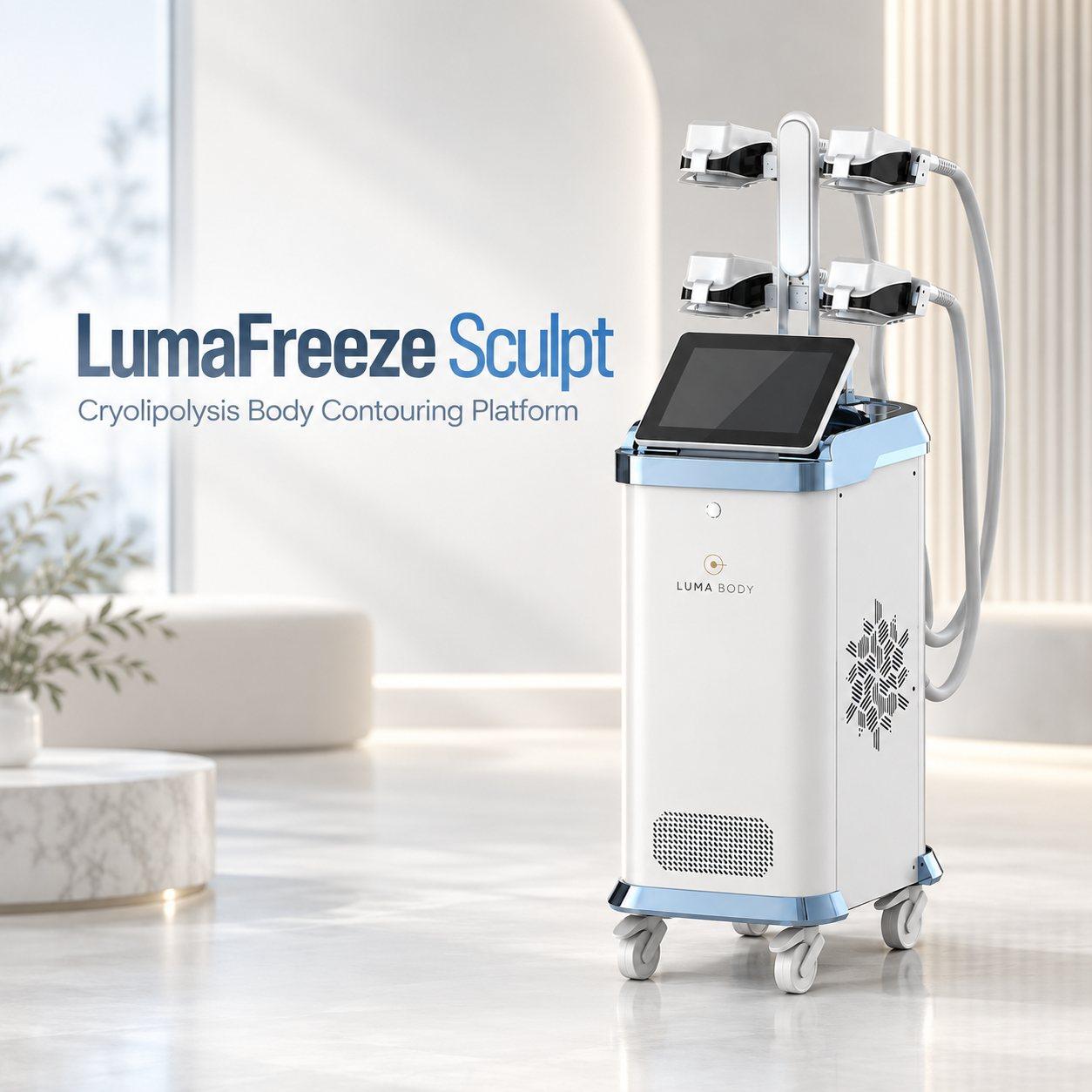
Handle count and sizes. This is the revenue number. Four handles in two sizes means abdomen and both flanks in one appointment. Each extra simultaneous handle is an area you can bill without adding a slot. The LumaFreeze Sculpt runs two large and two medium handles, with a double-chin handle as an option for submental work.
360-degree cooling. Cups that cool around the whole fold rather than two flat plates treat more tissue per cycle.
How it pays back
Cryolipolysis is one of the few body treatments that the machine runs on its own. Once the applicator is placed and the cycle starts, the operator is free.
- One consultation, several areas, because most clients have more than one
- No anaesthesia and no downtime, so it books at any time of day
- Parallel handles turn one appointment into two or four billed areas
- A natural second session on the same area two to three months later
A four-handle machine at the upper end of the range is covered by a modest number of multi-area appointments. What decides how fast is the same thing that decides it for every machine: whether your diary can keep it running.
Before you buy, ask the membrane price and multiply by a realistic monthly cycle count. That is your running cost, and on an owned machine it should be small next to the treatment price.
What to be honest with clients about
Cryolipolysis reduces a pinchable layer of fat in a treated area. It is not a weight-loss treatment, and the result develops over several weeks rather than in the mirror. Clinics that set that expectation at the consultation get the second-session bookings.
Take consent seriously. Like any energy-based treatment it has known side effects, including temporary numbness, redness and bruising, and a rare complication in which the treated fat enlarges rather than shrinks. It belongs in the consent form and the consultation, not in the small print.
Where EMS fits alongside it
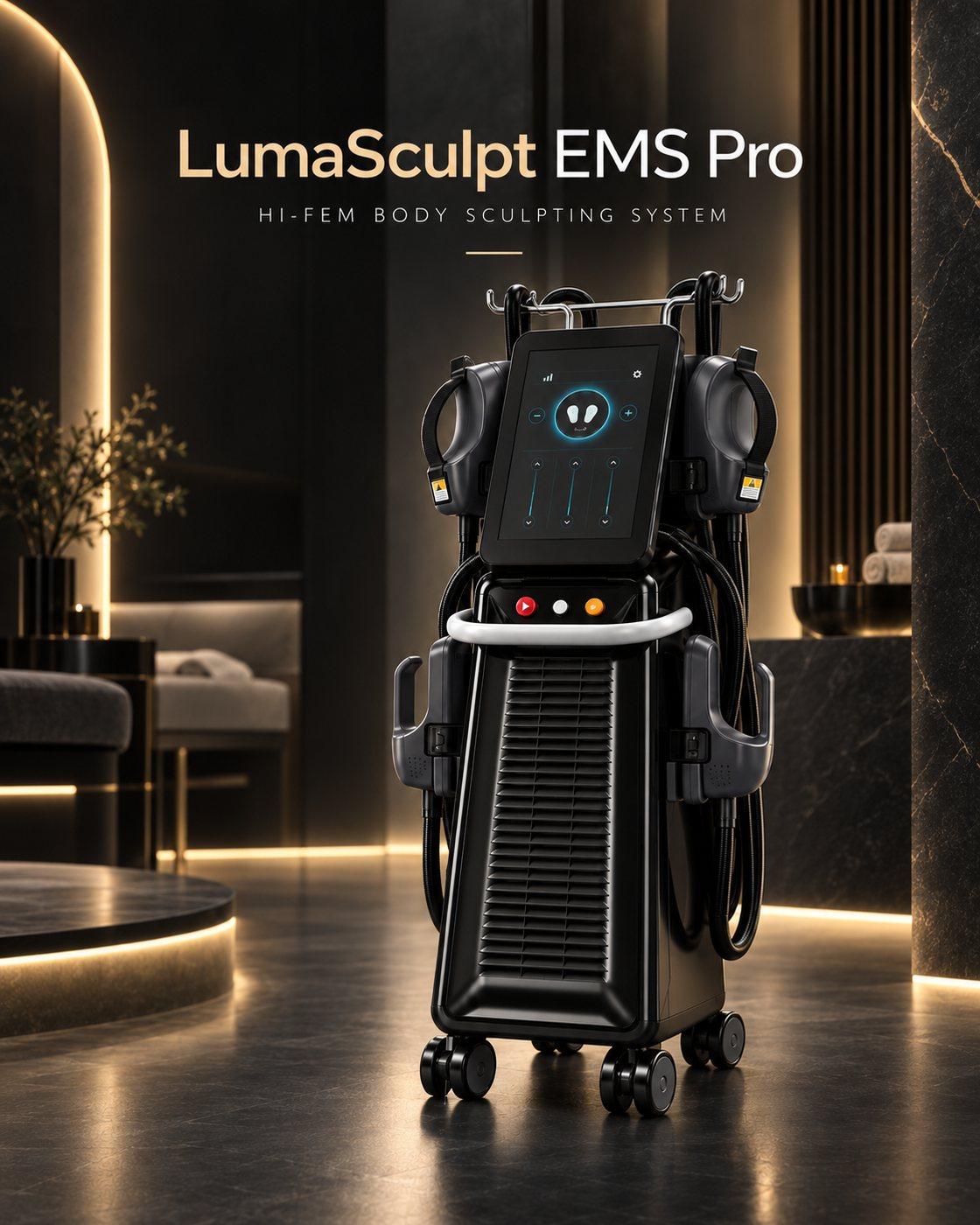
Freezing reduces fat; EMS builds muscle. Clients who want a flatter, firmer abdomen often need both, and many clinics sell them together. Read what an EMS body sculpting machine costs for the other machine, and cryolipolysis vs EMS body sculpting for which one to buy first.
Before you buy
- Per-cycle fees, confirmed in writing as none.
- Membrane price per unit.
- Handle count and sizes, and the price of adding one later.
- Temperature control and skin sensors, and what happens when a sensor reads out of range.
- Warranty on the machine and on the handles separately.
Then run the general checks in eleven things to check before buying any med-spa machine.