HIFU and RF microneedling are the two machines clinics most often weigh against each other when adding skin services. They are usually sold to the same clients, but for different concerns, and they run differently day to day. This guide covers what you need to choose between them, or to decide you want both.
How each one works
HIFU (high-intensity focused ultrasound) focuses ultrasound energy at a set depth below the skin. The cartridge decides the depth: shallow cartridges around 1.5mm, mid depths around 3.0–4.5mm, and deeper body cartridges beyond that. The skin surface is not broken.
RF microneedling pushes fine needles into the skin to an adjustable depth and delivers radiofrequency energy at the needle tips. Insulated needles concentrate energy at the tip; non-insulated needles heat along their length. The skin surface is broken, briefly, by the needles.
That one difference, needles or no needles, drives most of what follows.
What each is sold for
| HIFU | RF microneedling | |
|---|---|---|
| Typical client concern | Sagging, jawline, brow, neck | Acne scars, texture, pores, crepey skin |
| Skin broken? | No | Yes, by the needles |
| Typical course | Often a single session, repeated yearly | A series of sessions weeks apart |
| Downtime clients expect | Little to none | Redness for a day or more |
Neither list is a promise of results; it is what clinics market each treatment for, and therefore what your clients will ask for by name.
Consumables and cost per treatment
- HIFU uses cartridges rated for a number of shots. Divide the cartridge price by the shots a face uses to get the cost per treatment. Higher shot ratings, such as 100,000-shot cartridges, bring that cost down.
- RF microneedling uses a disposable needle tip, normally one per client, plus the time to prepare the skin.
Ask any supplier for cartridge and tip prices before you buy. On both machines, consumables decide your margin more than the purchase price does.
Appointment length and room time
A full-face HIFU session is usually quick once the operator is trained. RF microneedling takes longer, because of skin preparation, numbing and aftercare. If your room is short of hours, that difference matters as much as the treatment price.
Price
Both sit in a similar range. Ours, delivered:
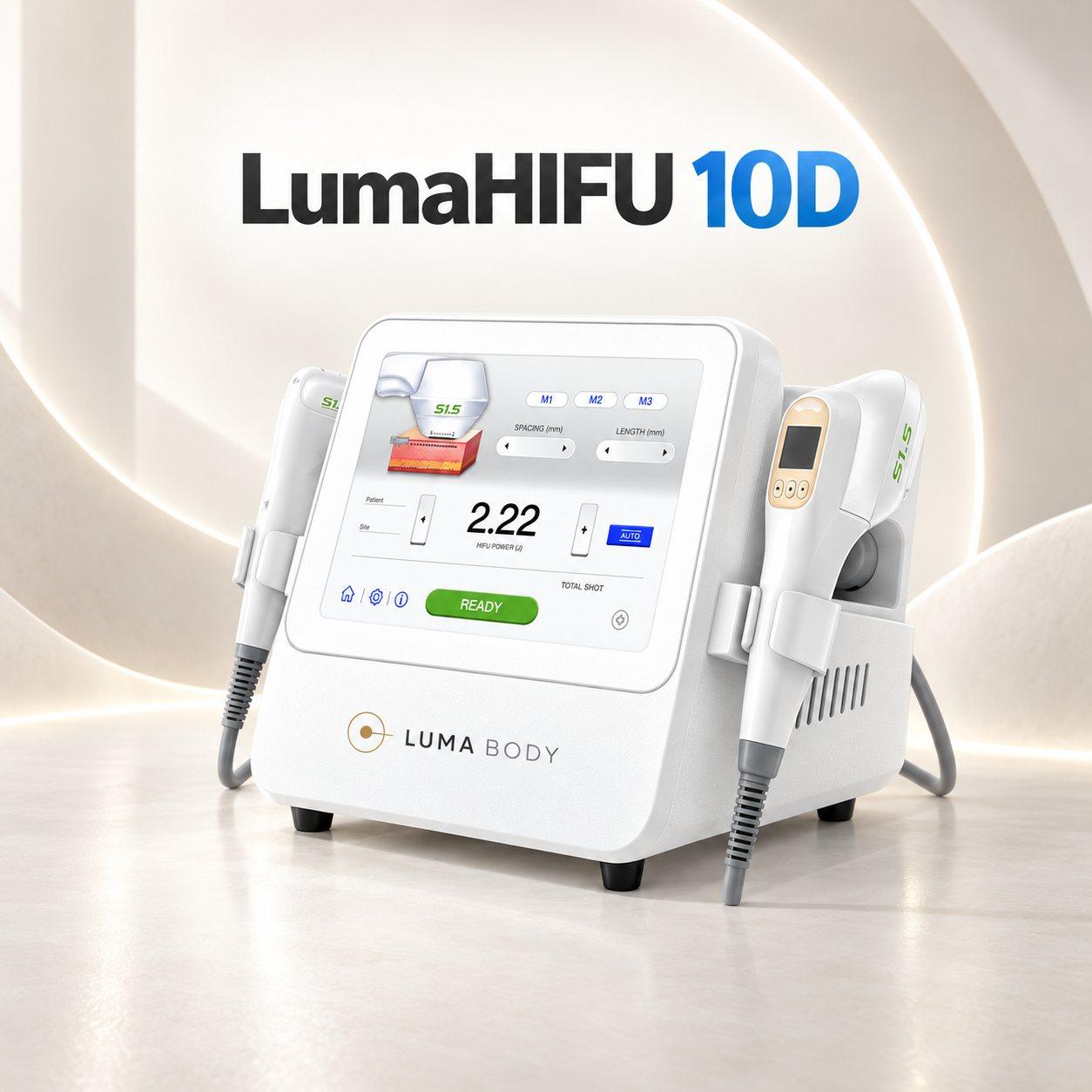
- LumaHIFU 10D — $7,900. Six focal depths, 100,500-shot SD cartridges and adjustable line spacing.
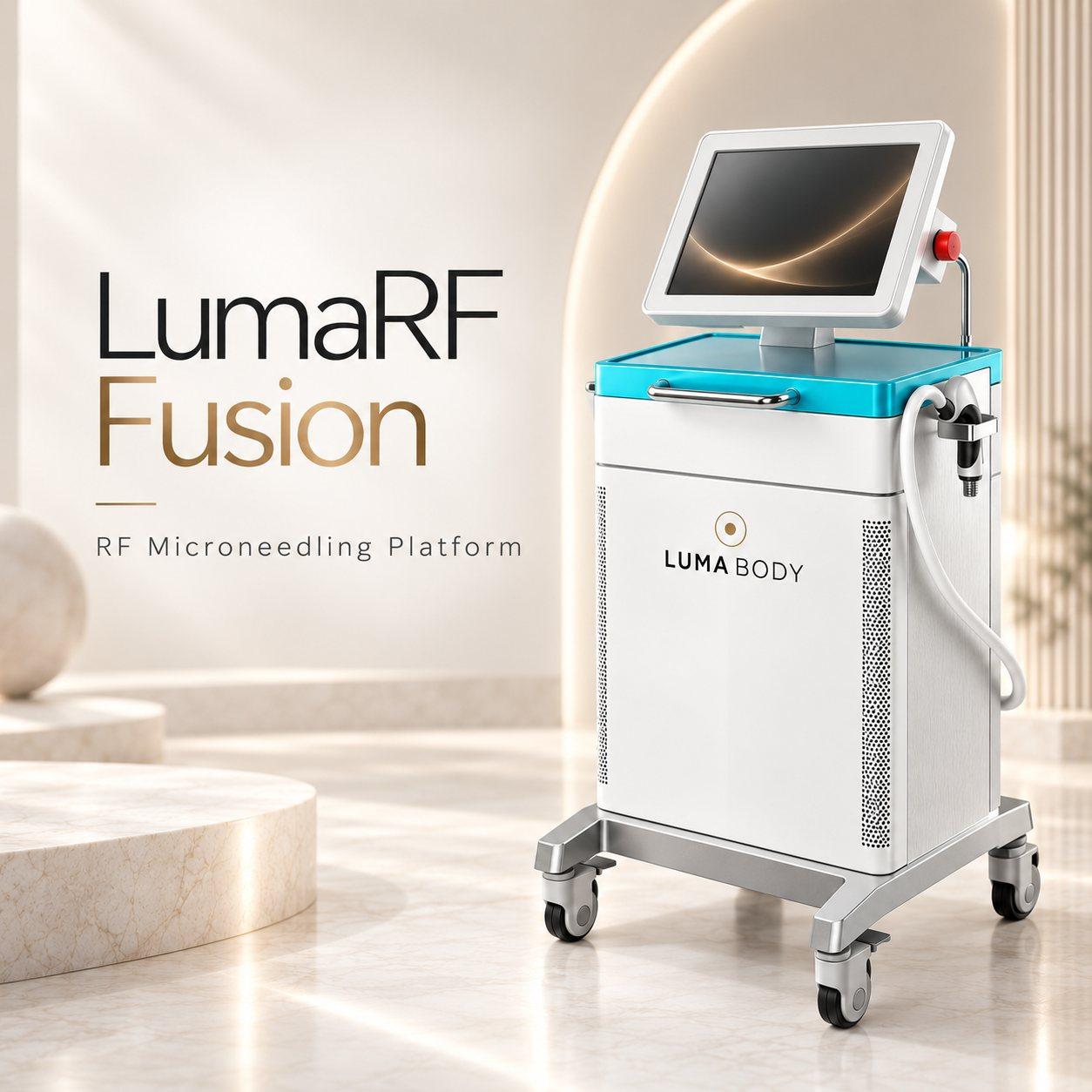
- LumaRF Fusion — $9,900. Microneedle and superficial fractional RF, with PDT and a -5°C cryo handpiece for comfort.
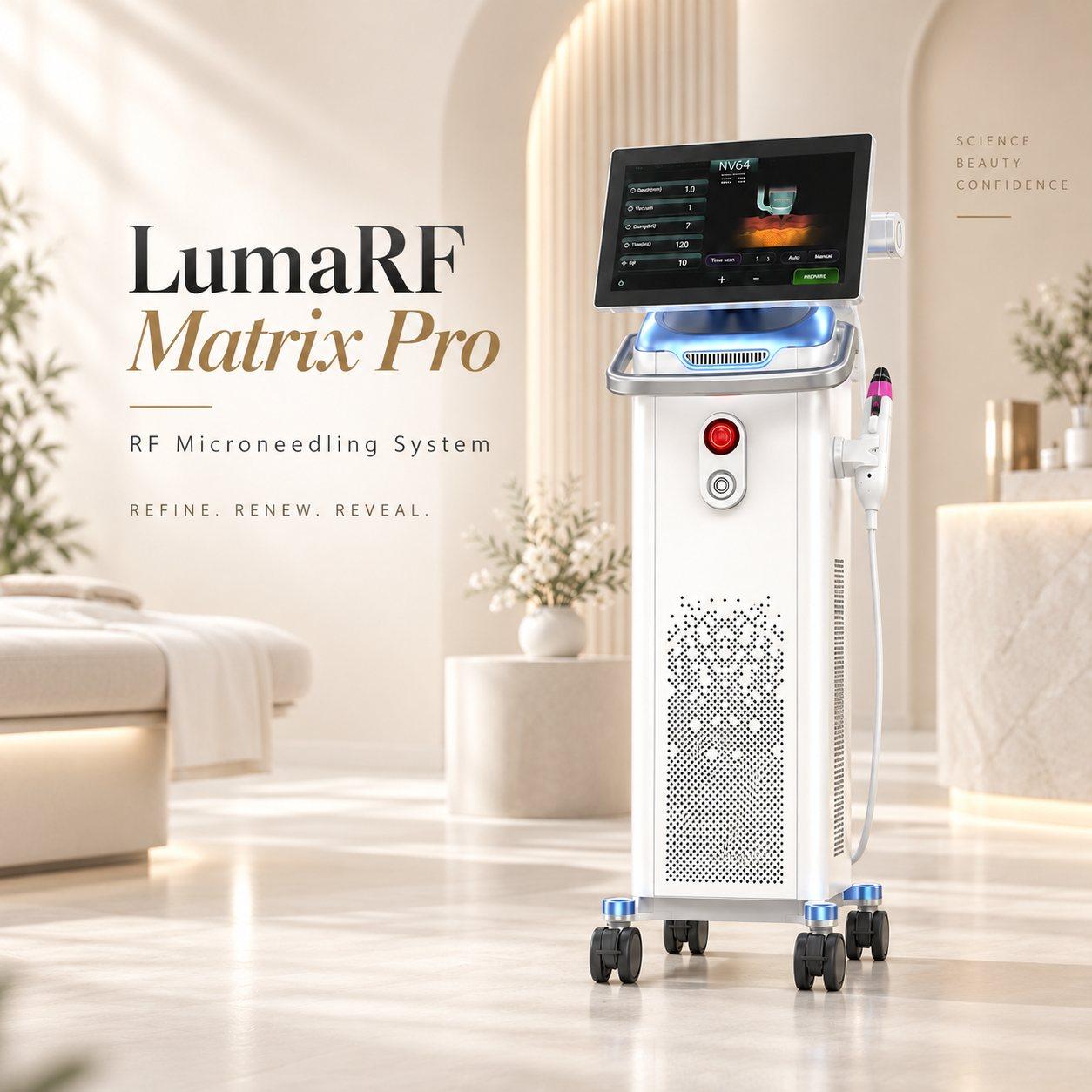
- LumaRF Matrix Pro — $10,900. 175W, needle depth to 7mm, insulated and non-insulated heads, plus RF thermal handpieces, for clinics that want the widest depth range.
See the two entry machines side by side on our HIFU vs RF microneedling comparison.
Or both on one console
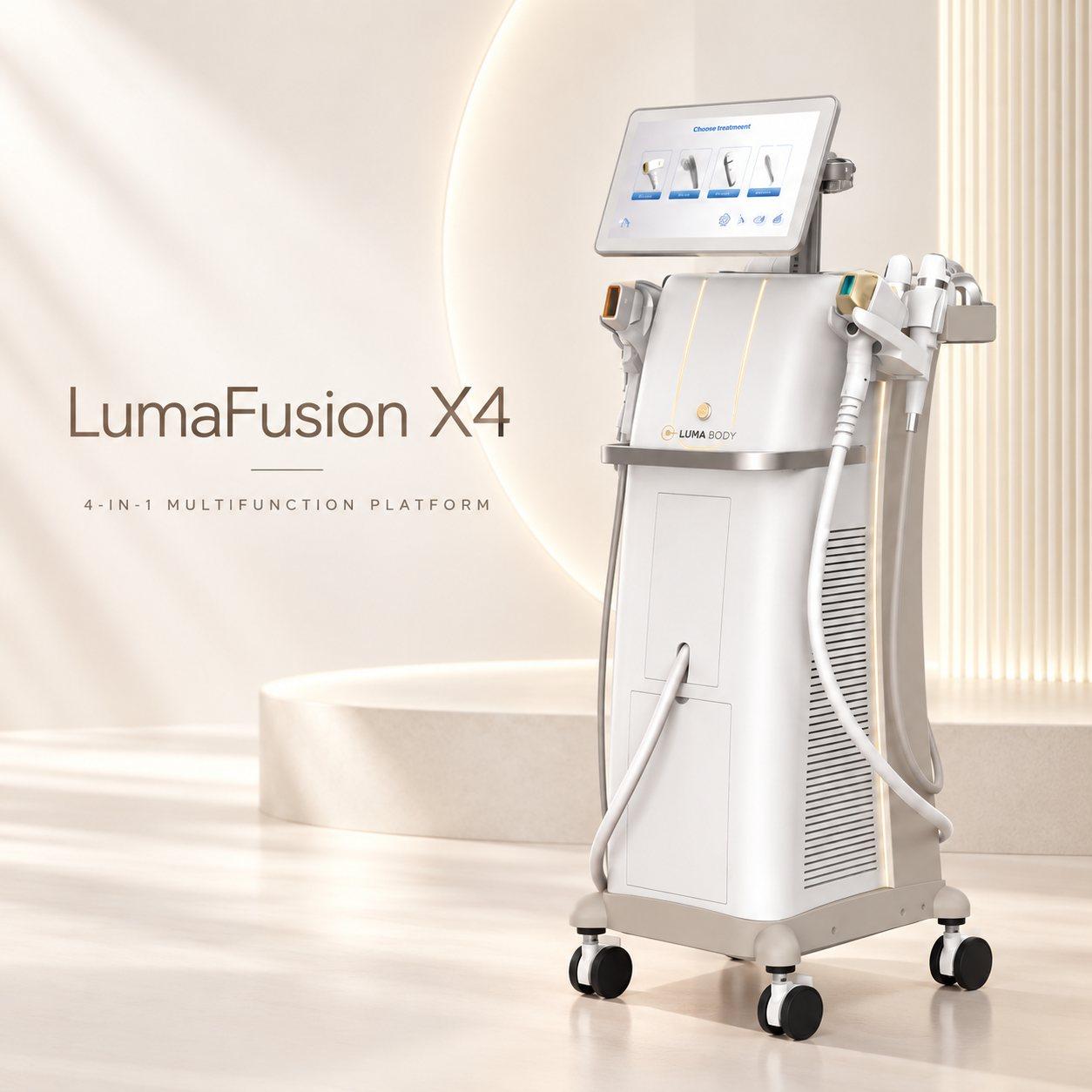
If your clients ask for both, a workstation can be cheaper than two machines. The LumaFusion X4 — $15,900 — puts face and body HIFU, RF microneedling with 980nm, and a triple-wavelength diode laser for hair removal on one 14" console. The trade-off is that one treatment runs at a time, so it suits a clinic with one room more than a clinic with three operators. Our multifunction machine guide covers that decision in detail.
How to decide
- List the concerns your clients already ask about. Lifting points to HIFU, texture and scarring point to RF microneedling.
- Check who may operate it under your state or provincial rules.
- Price the consumables and work out the cost per treatment.
- Count your room hours. The quicker treatment earns more per day.
Every price on this page is the final price delivered to your practice in the US or Canada, with operator training and a 12-month machine warranty included, and you can start with a 50% deposit. If you want a second opinion on which to start with, tell us about your clinic.