Body contouring is the treatment clients ask for after the weight has come off and the skin has not followed, or when cellulite is the problem rather than fat. A vacuum RF machine is built for exactly that: it lifts a fold of tissue, rolls it, and heats it in the same pass. It is not fat freezing and it is not muscle stimulation, and a clinic that sells it as either will have unhappy clients by session three.
What they cost
| Machine | Typical delivered price |
|---|---|
| Single-head vacuum RF, entry level | $3,000–$6,000 |
| Multi-head vacuum + roller + RF + laser platform | $8,000–$15,000 |
| Branded systems in the same class | Several times more |
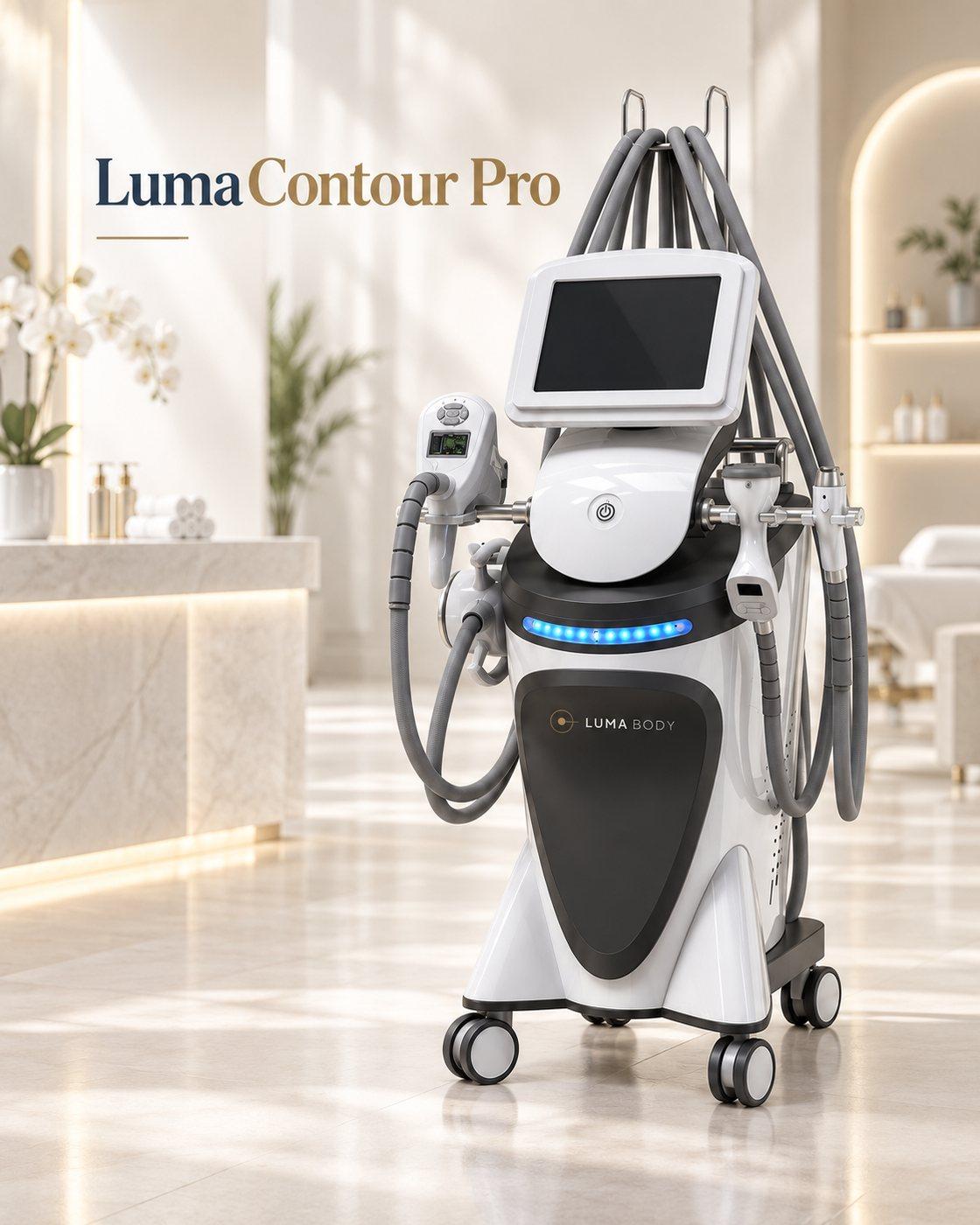
Ours: LumaContour Pro, vacuum, rollers, 1–5 MHz RF and a 940nm laser across four handpieces — $9,900, delivered, with nothing to pay on arrival in the US and Canada. A cheaper 4-in-1 configuration is available on the product page.
What the treatment actually does
Four mechanisms work at once:
- Vacuum draws the skin and fat layer up into the head, so energy reaches the tissue that needs it rather than spreading.
- Motorised rollers knead the lifted fold. This is the mechanical part, the one clients feel, and the one that improves lymphatic flow and the dimpled look of cellulite.
- RF heats the dermis and the fat layer beneath it. Heat contracts existing collagen and, over a course, prompts new collagen, which is what tightens loose skin.
- A near-infrared laser, 940nm on our machine, adds a second heating path that does not depend on the tissue's electrical properties.
What clients see over six to eight sessions: smoother cellulite, firmer skin, and a gradual reduction in circumference, measured with a tape rather than a mirror. What they do not get is a fat pocket that disappears for good. Say so at the consultation, and the course sells itself on results the client can actually measure.
How it sits next to fat freezing and EMS
| Vacuum RF | Cryolipolysis | EMS | |
|---|---|---|---|
| Main effect | Skin tightening, cellulite, circumference | Permanent fat reduction | Muscle tone |
| Course | 6–8 sessions, then maintenance | 1–3 sessions per area | 4–6 sessions |
| Consumables | Garments, little else | Membrane per cycle | Almost none |
| Best client | Post-weight-loss, cellulite, loose skin | Stubborn pocket, near goal weight | Fit but wants definition |
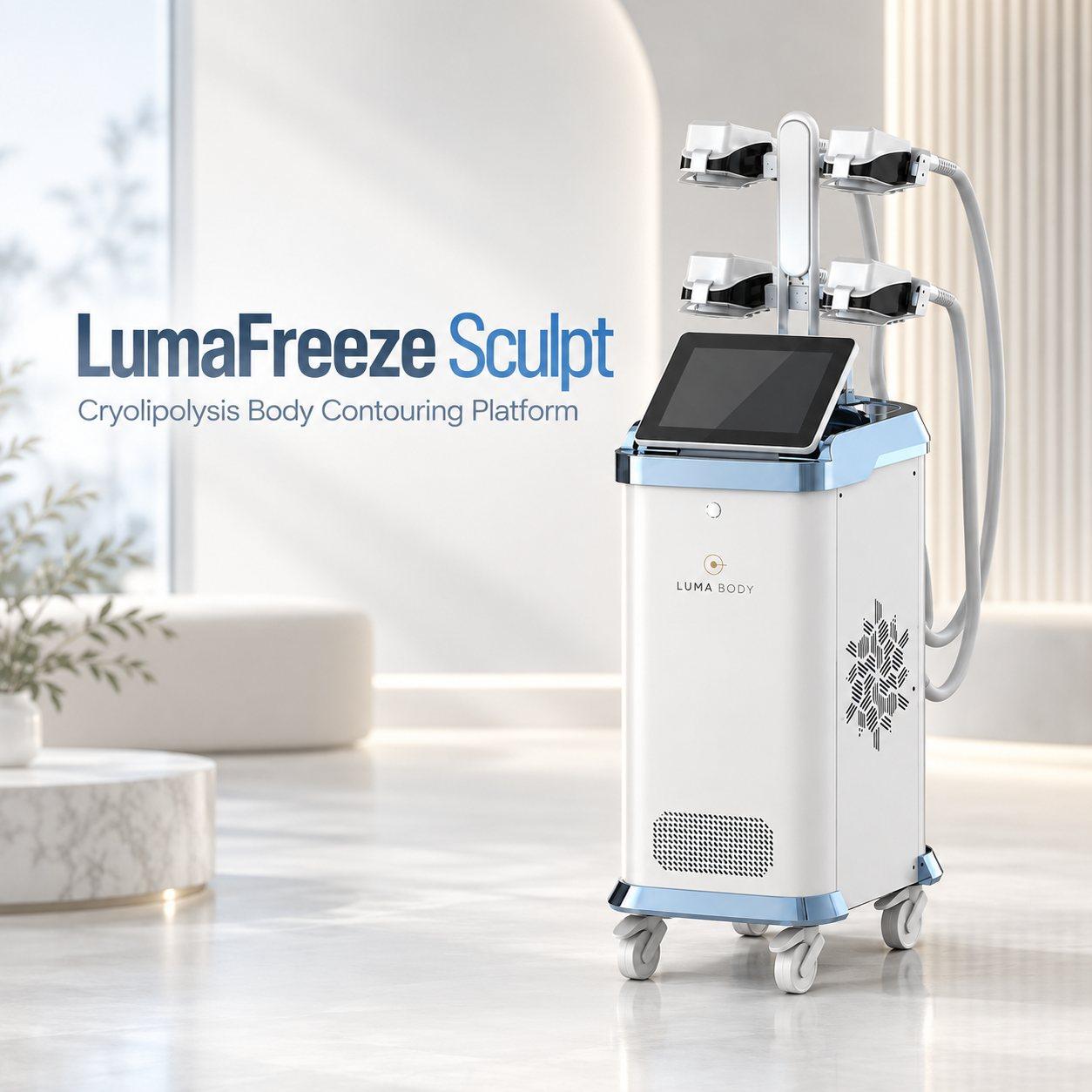
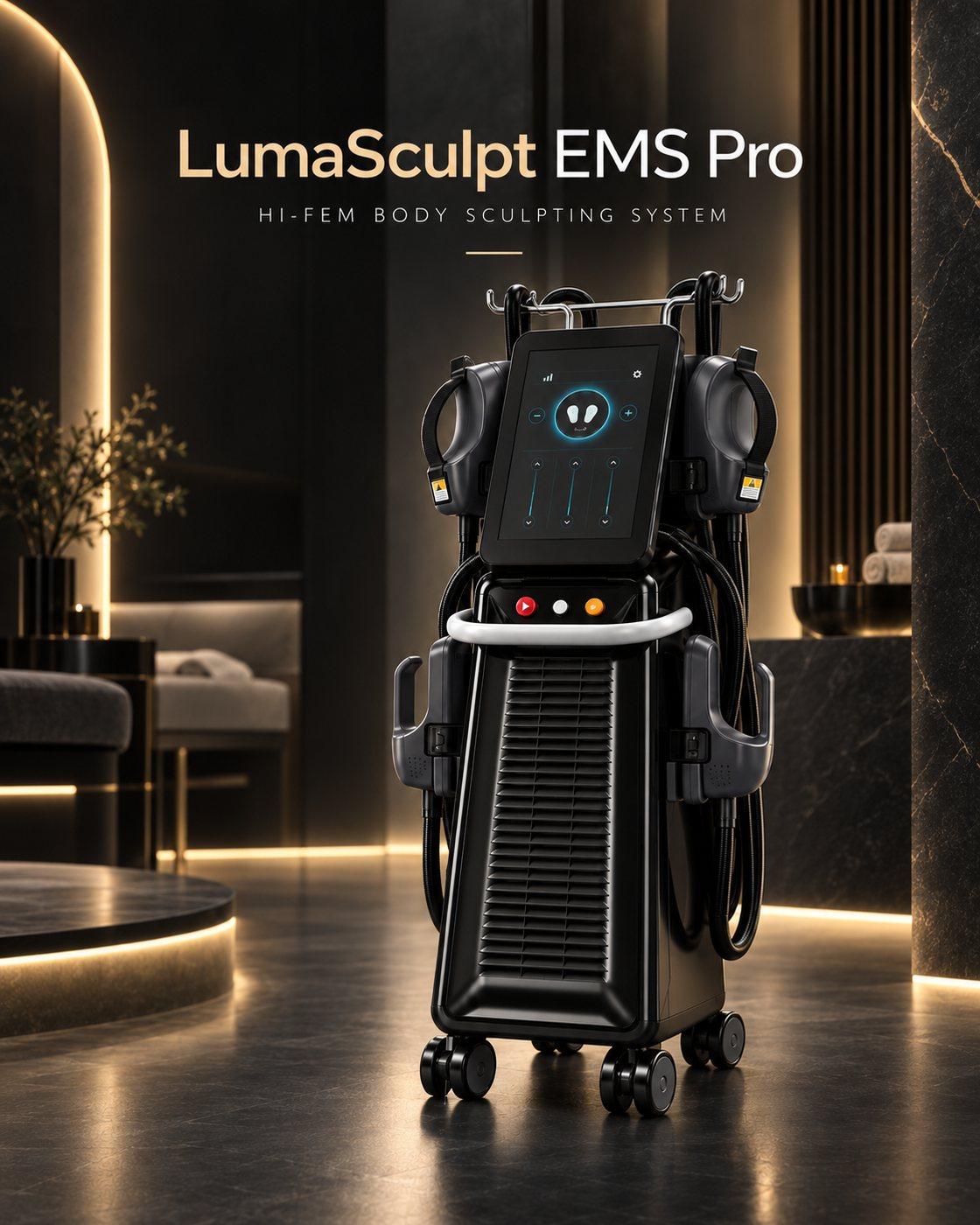
Most body clinics end up with two of the three. Vacuum RF pairs naturally with cryolipolysis: freeze the pocket, then tighten the skin it leaves behind. For how fat freezing and muscle stimulation compare, read cryolipolysis or EMS.
The specifications that matter
- Head sizes. The single biggest difference between machines. A 40x60mm head covers a back in minutes; a 4x7mm head is what lets you sell face, neck and arm treatments on the same machine. Four sizes means one trolley covers the whole menu.
- Vacuum range. A wide, adjustable range lets you work firm thighs and thin facial skin with the same handpiece family. Look for the range in kPa, not just "strong suction".
- RF frequency. A variable range, 1 to 5 MHz on ours, lets you pick depth: lower frequencies heat deeper, higher ones stay closer to the surface.
- Real-time monitoring. Skin temperature and contact feedback are what keep long body passes comfortable and safe.
- Pulse mode. Adjustable pulse timing lets the operator match the rhythm to the area rather than run one setting everywhere.
- Voltage. Machines sold into US clinics should ship configured for 110V 60Hz, ready for a standard treatment room.
How it pays back
Vacuum RF has almost no per-treatment consumable cost, so nearly every dollar of the session fee is margin. As a worked example, a $10,000 machine and a course of eight sessions sold at $150 each brings in $1,200 per client per area. Nine full courses cover the machine, and maintenance visits after that are close to pure profit. The arithmetic is kinder than for most body machines, because the course length is built into the treatment.
The risk is the same as for any course treatment: clients who stop after two sessions see little. Sell packages, measure at the start, and measure again at session four.
If you are still deciding what the clinic needs first, the med spa equipment list puts body machines alongside lasers and facial devices with their budgets.