Most equipment lists for a new med-spa are written by somebody selling one machine. Here is the whole room instead: what to buy, in what order, what each costs delivered, and how quickly each one pays for itself.
The short answer
A workable opening kit is three machines, $25,000–$40,000:
- Laser hair removal — fills the calendar and keeps clients returning.
- A facial platform — the monthly habit that keeps them coming back.
- One premium treatment — HIFU or RF microneedling, for revenue per hour.
Everything else is an addition to a room that is already busy.
1. Laser hair removal: the machine that fills the diary
Hair removal is the most-searched aesthetic treatment in almost every market, demand does not depend on season or trend, and a course of six to eight sessions means the client is in your building repeatedly.
What matters when buying:
- Multiple wavelengths. 755, 808 and 1064nm together cover fine hair, everyday treatment and dark skin. A single 808nm machine cannot safely treat every client who books.
- Power and spot size, which decide how long a full-leg appointment takes. Twenty minutes versus forty is the difference between four and six clients in a morning.
- Contact cooling, because comfort is what gets a course finished.
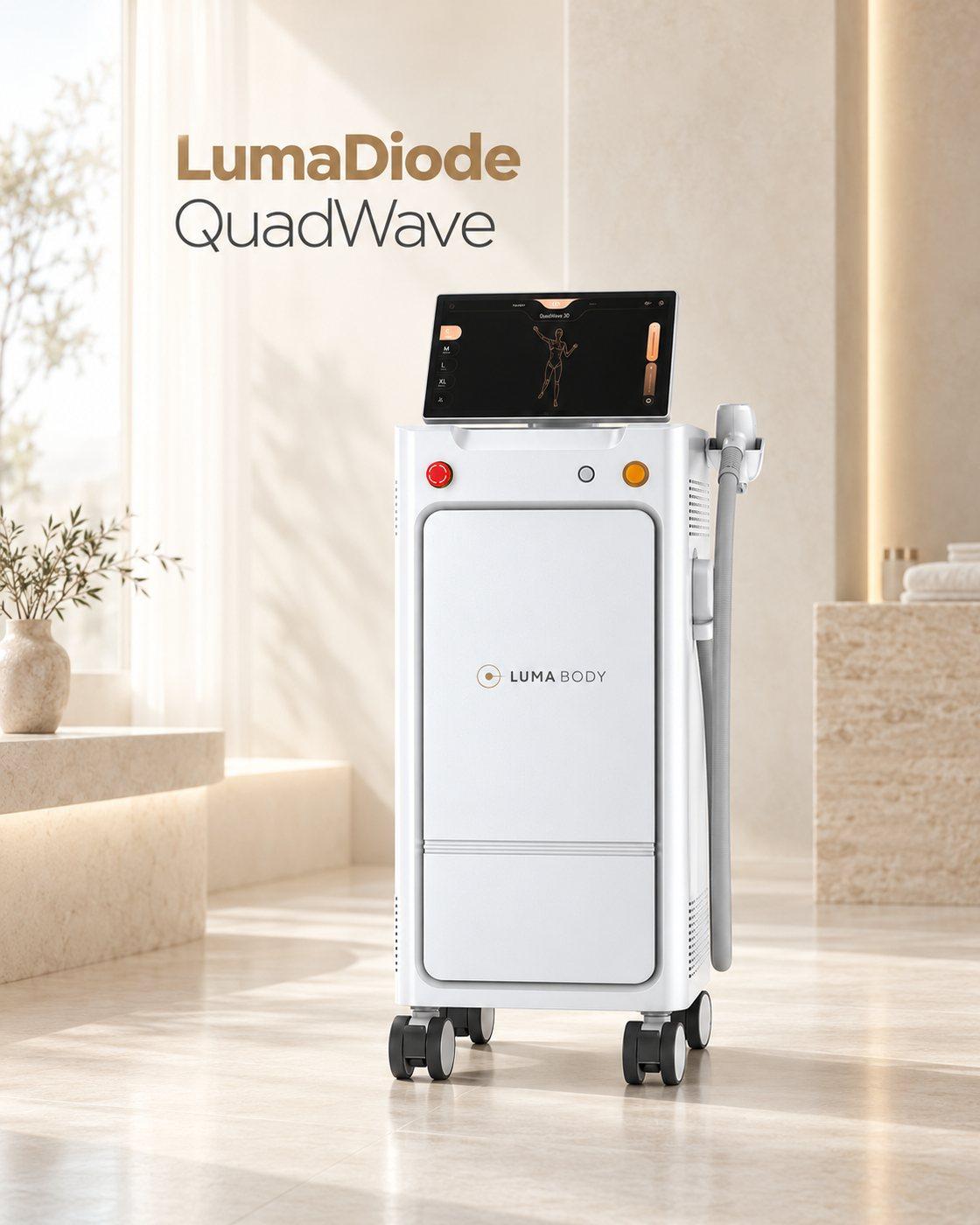
Ours are the LumaDiode TriWave at $11,610 and the 1800W LumaDiode QuadWave at $16,110. The full price breakdown for this category is in our diode laser cost guide.
2. A facial platform: the monthly habit
Facials are the lowest-friction treatment you sell. The price point is one a client decides on alone, there is no downtime to plan around, and a good protocol turns into a standing monthly appointment.
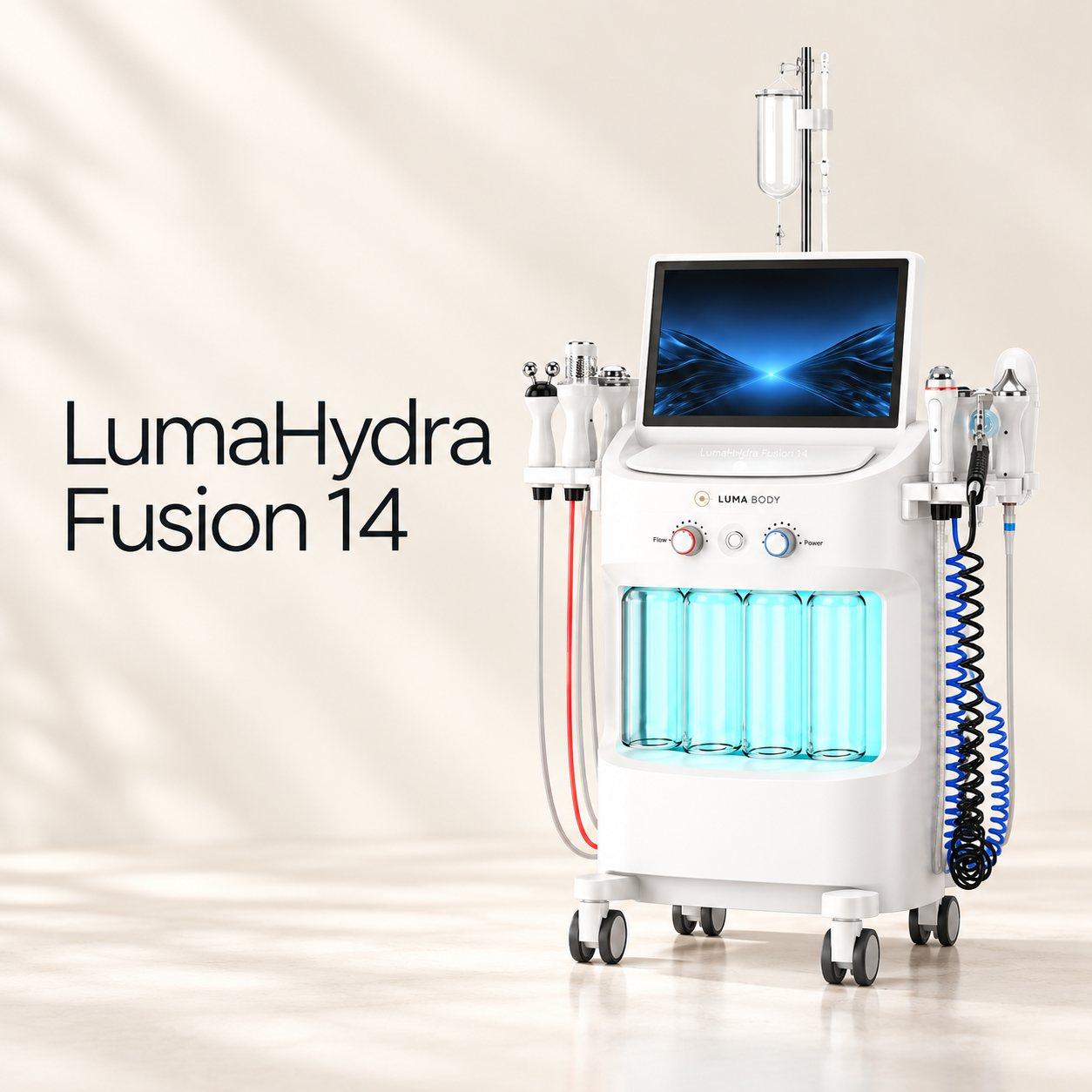
A multi-function hydra dermabrasion platform covers cleansing, exfoliation, extraction, infusion and LED from one trolley, so one room and one trained operator serve several menu items. The LumaHydra Fusion 14 is $8,900 with fourteen modalities; see the hydra dermabrasion cost guide for what separates the tiers.
3. One premium treatment: revenue per hour
This is what lifts average ticket value. Two sensible choices:
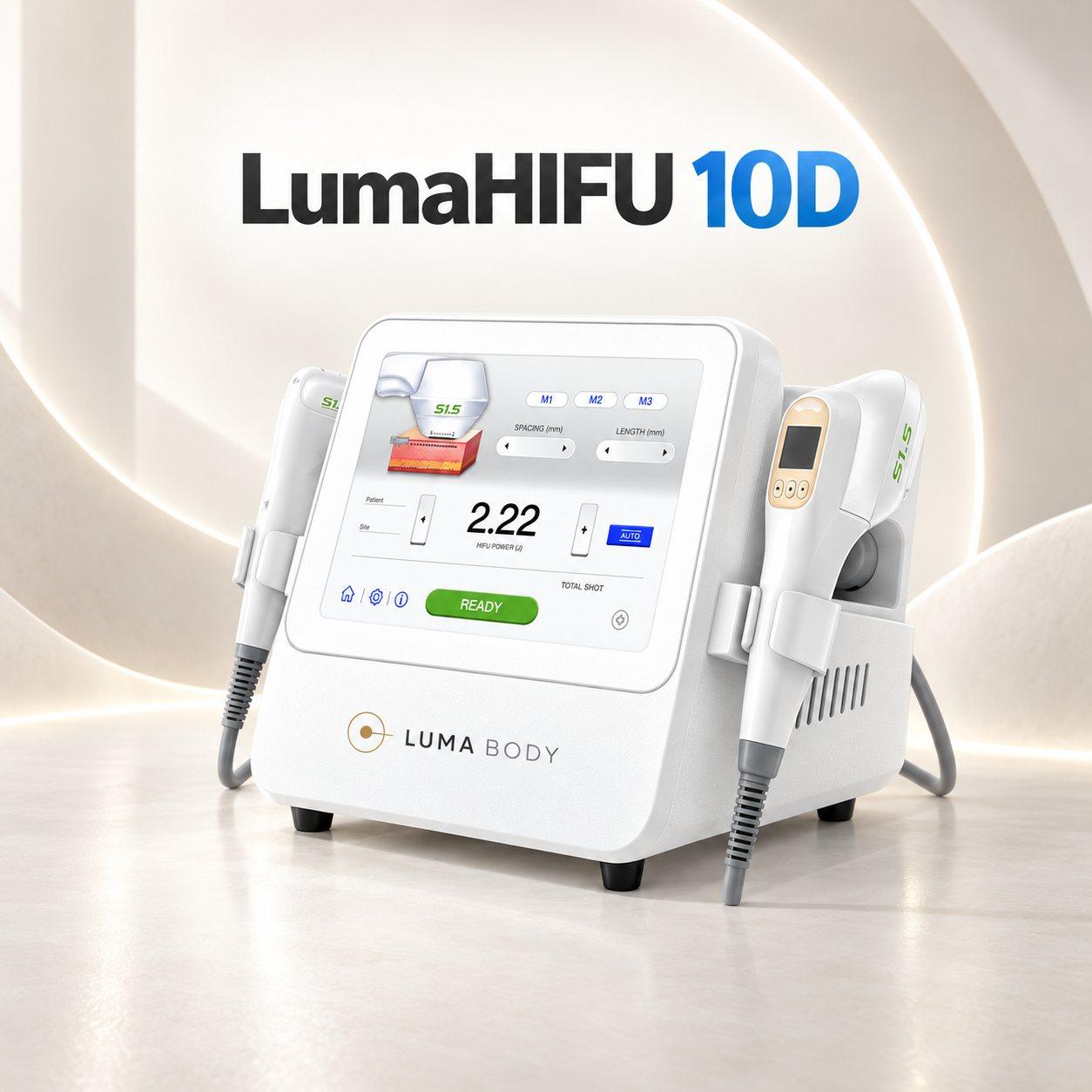
HIFU lifts and tightens without downtime, sells at a high price per session, and is delegable in many jurisdictions. Cartridges are the running cost. The LumaHIFU 10D is $7,900 — the cheapest route to a premium price point in the catalogue, and the arithmetic is in the HIFU cost and ROI guide.
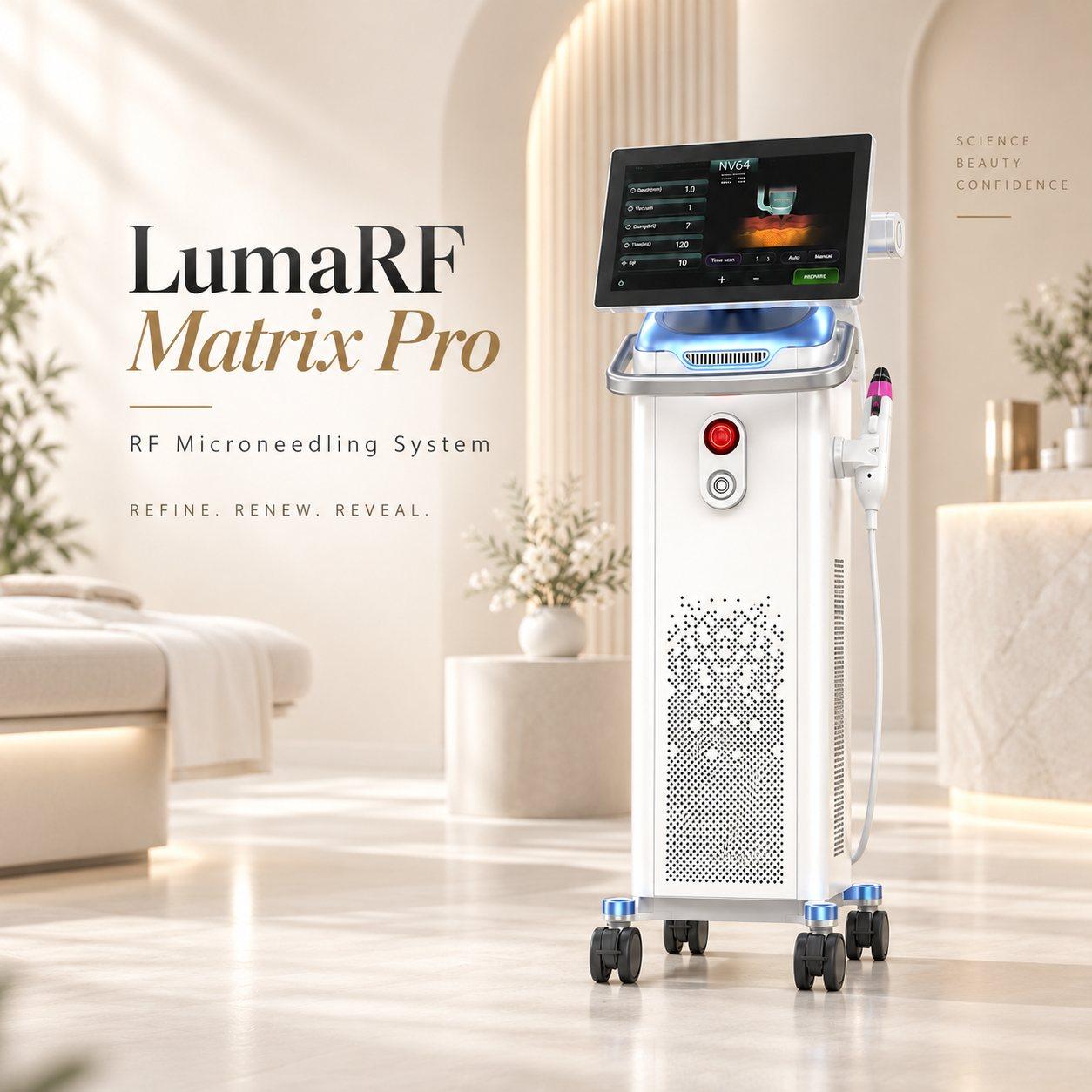
RF microneedling treats texture, scarring and laxity, and clients accept short downtime for it. Insulated needles are what let you treat thin skin. The LumaRF Matrix Pro is $12,900; the RF microneedling cost guide explains the needle question.
What a full catalogue costs
| Machine | What it sells | Delivered price |
|---|---|---|
| LumaHIFU 10D | Lifting, no downtime | $7,900 |
| LumaMeso Precision | Mesotherapy, skin boosters | $7,900 |
| LumaHydra Fusion 14 | Facials, monthly repeat | $8,900 |
| LumaRF Fusion | Microneedling + fractional RF | $9,900 |
| LumaContour Pro | Circumference, cellulite | $8,910 |
| LumaFreeze Sculpt | Fat reduction | $11,900 |
| LumaDiode TriWave | Hair removal | $11,610 |
| LumaRF Matrix Pro | Microneedling to 7mm | $12,900 |
| LumaSculpt EMS Pro | Muscle, HIFEM | $13,900 |
| LumaDiode QuadWave | High-volume hair removal | $16,110 |
| LumaCO2 Resurface | Resurfacing, scars | $15,900 |
| LumaQ Pro | Non-ablative 1927nm | $24,900 |
| LumaPico Elite | Tattoo removal, pigment | $28,900 |
Every price is the final delivered price in the US and Canada: nothing is added at checkout and nothing is due on arrival. Two or more machines on one order take 5% off the whole order and ship together.
What the equipment list leaves out
The machines are rarely what sinks a new med-spa. Budget for these too:
- The room itself. Power at the wall, floor loading, a door that closes for laser safety, and space to walk around the trolley.
- Insurance and licensing, which depend on your state or province and on who operates the device. Confirm scope of practice before you buy, not after.
- Consumables — cartridges, tips, gels and needle heads. Get the price per treatment in writing before you compare two machines.
- Training and the first quiet month. A machine earns nothing while your team is still learning it.
- Marketing, because a full calendar is the only thing that makes any of the above work.
Buying order, if the budget is tight
- Hair removal first. It fills hours, and full hours pay for machine two.
- A facial platform second. It converts one-off hair removal clients into monthly visitors.
- Premium treatment third, once you know which of your clients ask for lifting versus texture.
- Body contouring fourth, and only with a second room — the sessions are long and they will block your busiest one.
The mistake that costs the most is buying the machine you find most interesting rather than the one your existing clients are already asking for. Ask the next twenty people who sit in your chair what they wish you offered, then buy that.
Before you sign anything
Whoever you buy from, check what our pre-purchase checklist covers: what the price includes, who pays freight and import costs, warranty length on the handpiece rather than the console, and what a consumable costs per treatment. A quoted price that excludes delivery and import costs is not the price you will pay.
We publish every price, deliver duty paid to the US and Canada, include operator training and a 12-month machine warranty, and let you pay in full or 50% up front with the balance once your order is ready to ship.